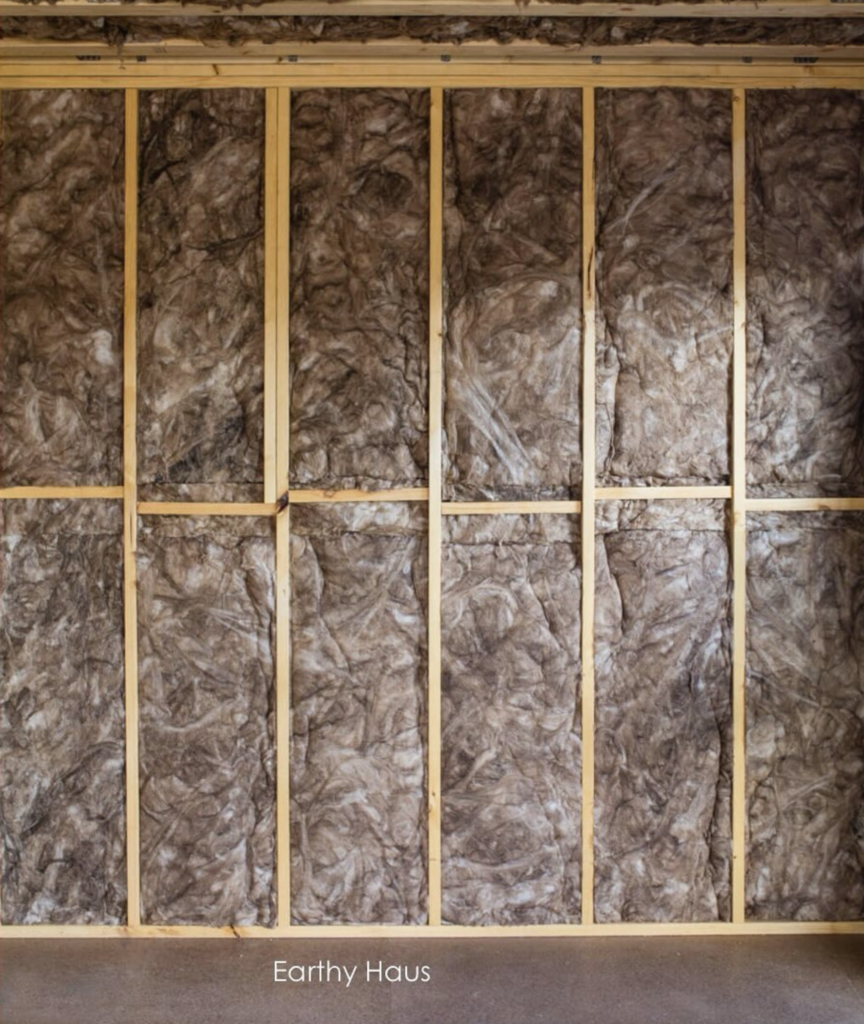
Insulation is one of the main pillars of Passive House design, but it works closely with other principles to be effective. For example, a well-insulated, airtight house will have higher moisture levels, leading to humidity and condensation. This is managed through mechanical ventilation and smart vapour-permeable membranes (check out my previous posts to learn more about them).
In a well-insulated house, the building acts as a complete envelope, with continuous layers of insulation and airtightness on all sides. Expert detailing is crucial to avoid thermal bridges (weak spots in the insulation layer) that can drastically reduce the system’s efficiency. In my next post, I’ll explain thermal bridges and why a thermal bridge-free design is so important.
So yes, insulation is essential—but can there be too much?
The answer is yes! Overheating can be an issue in Passive Houses, especially with global warming and in warmer climates. The Passive House standard, originally developed in Germany, focused on keeping buildings warm in Europe. But now that it’s used worldwide, we must consider warmer climates and how they affect energy modeling for Passive Houses. Stress-testing your design and analysing how your choice of components will perform in hotter conditions is crucial. Choosing the right amount and type of insulation for the appropriate locations in the building is extremely important!